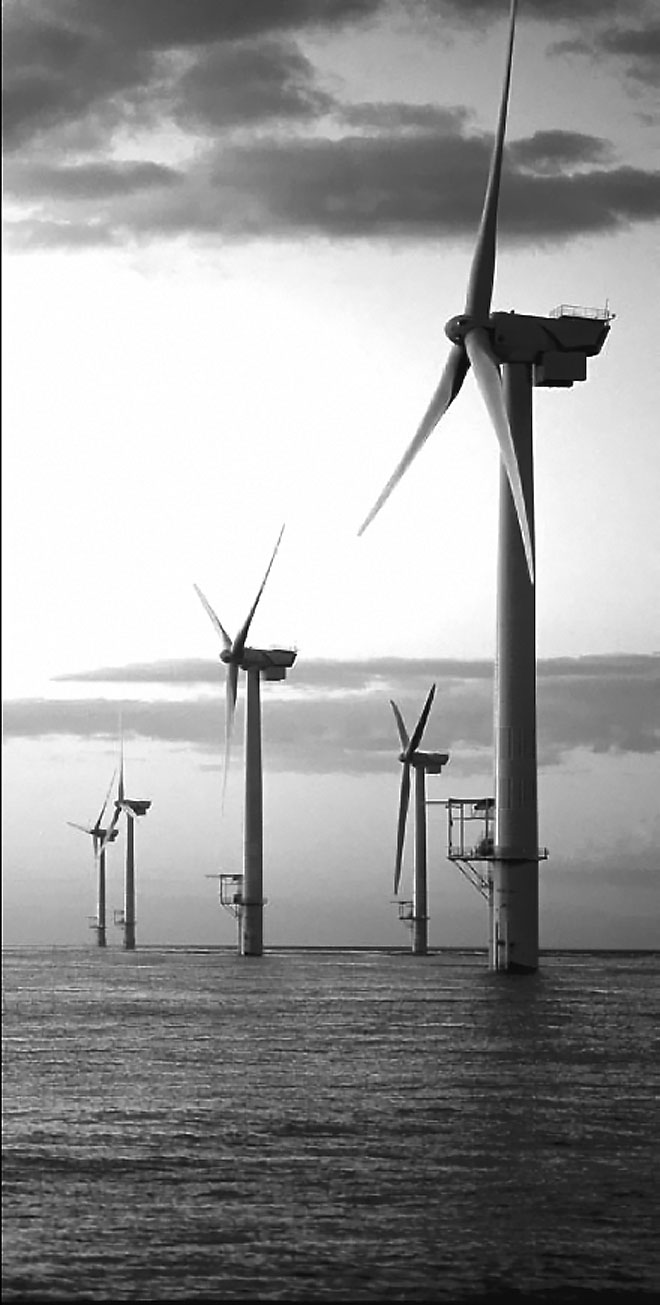
given to the Beauly-Denny grid upgrade was met with many predictable responses. The
are appalled. So far so obvious. The environmental movement is generally supportive too, as you'd expect, with one glaring exception.
The John Muir Trust. They didn't welcome the unlocking of Scotland's
clean energy potential, or breathe a sigh of public relief for the contribution this scheme would make to tackling climate change.
Don't get me wrong, the failures of administrations north and south of the border have made me very fond of judicial review, but is this a consistent position for the JMT to have adopted? Specifically, is it the position John Muir himself would have taken?
The Sierra Club, founded by Muir and friends, has posted a
decent concise biography if you want to find out more about this remarkable man, born in East Lothian but who is rightly recognised as the grandfather of the American environmental movement.
Earlier this week I got into reading some of John Muir's works for the first time. Many of them are freely available
here. Amongst them is "
The Cruise of the Corwin", a colourful set of tales from a voyage Muir took through the Arctic in 1881. It's pretty rude about some of the local people, especially the Aleuts, but is fascinating and well worth a read.
One of the Corwin's stops was on
Wrangel Island, claimed by the Corwin's captain for America but more logically now one of Russia's most northerly possessions. While there, Muir
speculated that "
perhaps the ice does not leave the shore free more than once in ten years."
He also
commented on the opportunities scientists have to study "
the magnificent polar bear among the ice - the master animal of the north", and noted that "
no portion of the world is so barren as not to yield a rich and precious harvest of divine truth".
Far to the east of Wrangel, the Corwin subsequently visited Unalaska, part of the Aleutian chain. There, while considering the mountains in the area, Muir
observed the following before going on to consider the changes to glaciation since the Ice Age:
"The noblest of them all was Makushin, about nine thousand feet high and laden with glaciers, a grand sight, far surpassing what I had been led to expect. There is a spot on its summit which is said to smoke, probably mostly steam and vapor from the infiltration of water into the heated cavities of the old volcano. The extreme summit of Makushin was wrapped in white clouds, and from beneath these the glaciers were seen descending impressively into the sunshine to within a thousand or fifteen hundred feet of sea-level. This fine mountain, glittering in its showy mail of snow and ice, together with a hundred other peaks dipping into the blue sky, and every one of them telling the work of ice or fire in their forms and sculpture - these, and the sparkling sea, and long inreaching fiords, are a noble picture to add to the thousand others which have enriched our lives this summer in the great Northland."
It's clear to me that this was an environment he cared about, a harsh but important place he would have fought to defend if it had been threatened in his day as it is in ours. If he had lived in a world where the choice was climate change or radical changes to our energy supply, where pylons would bring clean energy to the grid and help preserve all the world's vulnerable places, I'm sure he'd have seen the bigger picture and have been on the same side as the Greens,
as WWF, and as
Friends of the Earth.
There's next to nothing in common between Hetch Hetchy and the Beauly-Denny line as far as I can see. In one case a beautiful natural environment was unnecessarily flooded, erased, wiped off the map. In the other, some pylons will come down and some pylons will go up, but with no permanent ecological damage.
If the best way to transmit power changes, or our energy network becomes more decentralised, the pylons will come down and the only mark they will leave will be a stub of concrete, soon covered over, plus some photos of what they looked like. It wouldn't take fifty years like Hetch Hetchy - within fifty days you wouldn't know the Beauly-Denny line had ever been there unless you knew exactly what you were looking for.
The logic of the comparison, as I understand it, is therefore as follows:
John Muir was against the Hetch Hetchy development. Beauly-Denny is also a development. Therefore John Muir would have opposed it.
No, he wouldn't have, not unless he came back as a climate change denier. It's false logic. There's a massive and irreversible threat to Scotland's wild spaces, but it's not from renewables, it's from
climate change.
The John Muir Trust do plenty of other admirable work, including conservation work parties and all the rest, sure. Sadly this work is undermined by their opposition to Beauly-Denny, as it is by their regular opposition to wind turbine applications. These misguided campaigns no doubt bring in the donations, but they also betray a deep disregard for the defining environmental issue of our age, as it affects both Scotland and the planet.
 Note to The Donald: if your proposals can't even win over golf-obsessed American plumbing millionaires, just give up now.